DIAMOND GUIDE
Laure’s philosophy is that a stone should speak to you, not for its technical criteria, but for its beauty, for how it feels. Alongside the highest quality modern cut diamonds, including rare and innovative cuts, Laure has always been drawn to colored diamonds, each one has a unique color only given by nature. Each Laure Victoria Gaury diamond is hand-selected for its unique qualities and guaranteed to come from legitimate sources that are not involved in funding conflicts and are in full compliance with UN resolutions.
Each stone is natural and certified according to the four Cs – carat, cut, colour and clarity – but it’s the fifth C. We encourage customers to go beyond the technical details and choose the diamond that they feel drawn to most.
THE CUT
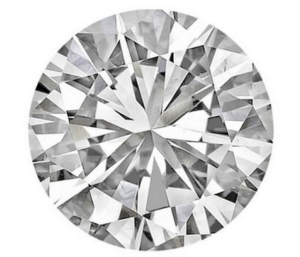
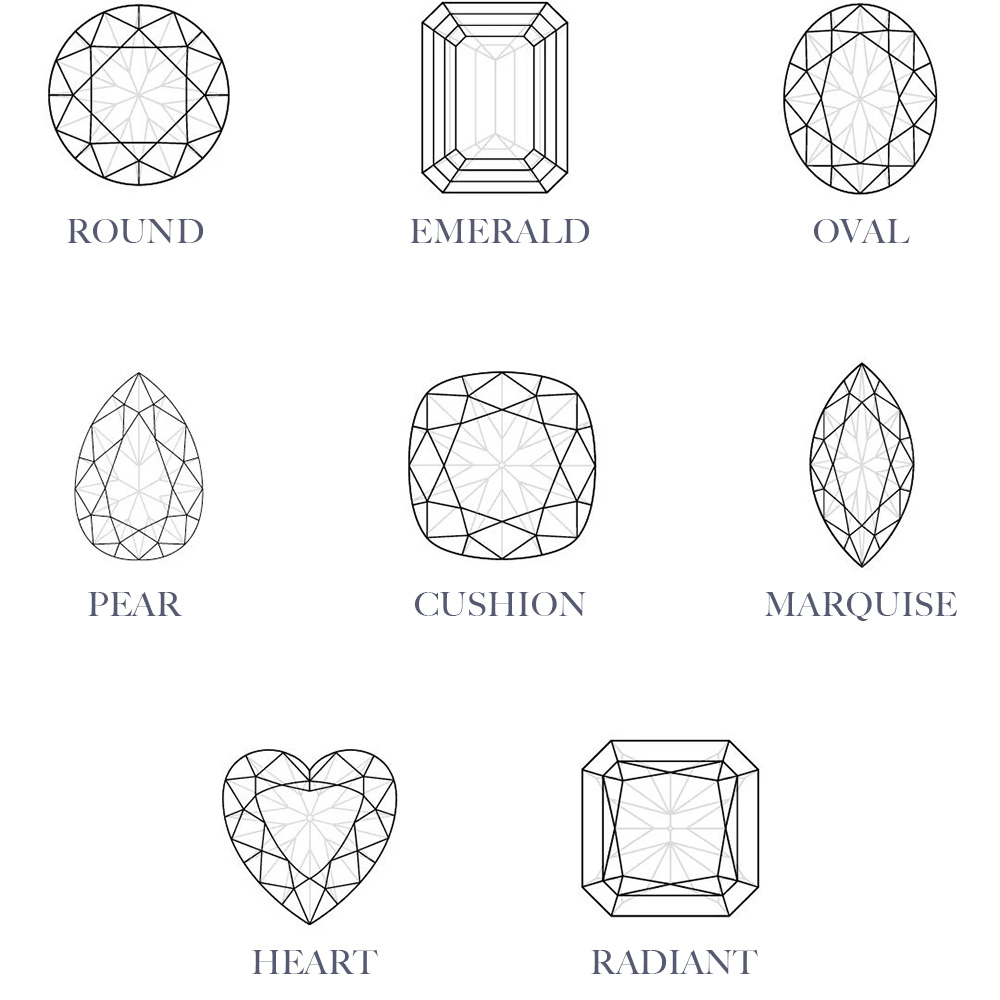
A diamond’s cut refers to how the stone interacts with light. And it is with this
interaction, alongside a stone’s shape.
The most recognised shapes are the round brilliant, oval, marquise, pear-shaped, heart-shaped, emerald and cushion cuts. Whatever your style, there is a diamond cut to suit. Our experts source the most beautiful, characterful examples of each. Signature designs can be made with diamonds ranging from 0.25 carats to as large as you dare. Laure also loves exploring unusual and rare diamond cuts, each one sourced by an in-house expert for its quality and beauty.
THE CARAT
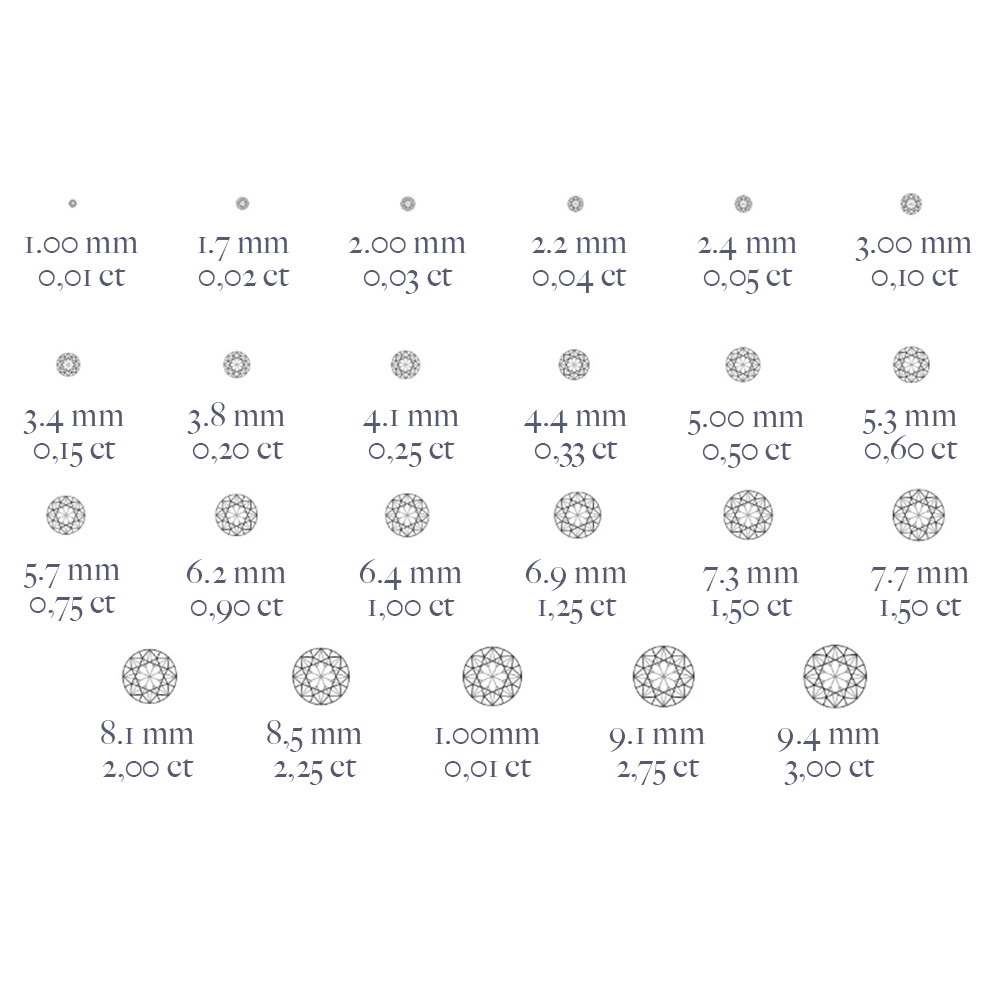
In ancient times, before scales and units of mass were invented, diamond traders compared the weight of a diamond to the seeds of the Carob tree. The name for these seeds, translated though languages and over time, gives us the word ‘carat’, used today as the standard unit measure of a diamond’s weight, A diamond’s value varies not only according to its carat weight, but also due to its cut, colour and clarity. However, whilst we always take the four C’s into consideration, at Laure Victoria Gaury, our focus is placed on the rarity and the beauty of a stone, for us, that is where the true value lies.
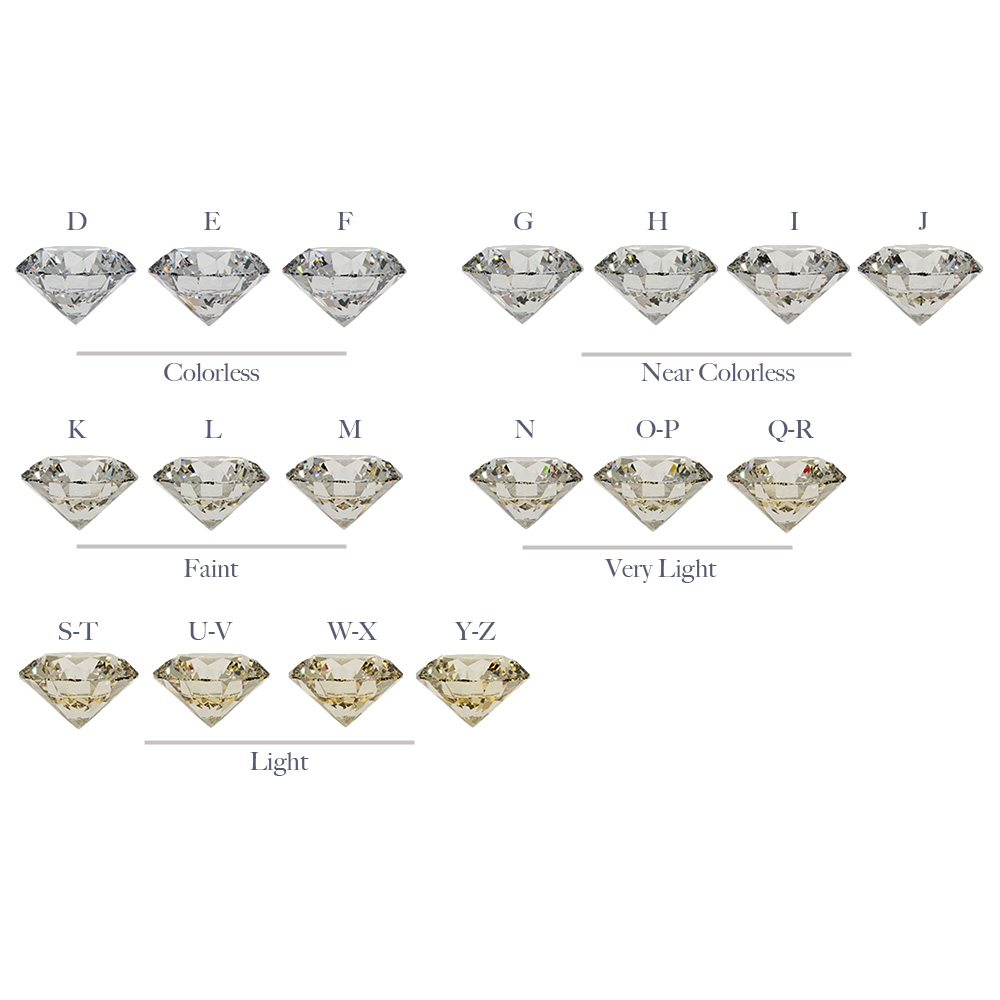
THE COLOR
Diamonds are graded from D (colourless) to Z (light yellow). The closer a diamond is to colourless, the more extraordinary and rare it is.
Before the GIA D-to-Z Color Scale, the language surrounding diamond color and the methods of evaluation were chaotic at best. Establishing a scale for color grading is only as effective as the standardization of the evaluations themselves.
In 1953, GIA introduced the GIA D-to-Z Color Scale, providing the industry with a much-needed system of absolutes, ensuring precise, accurate, objective color-grading could take place.
The GIA D-to-Z Color Scale is used to evaluate the depth of a diamond’s color. The normal color range goes from D for colorless to Z for light yellow, light brown, or light gray, with variations between receiving a color grade.
THE CLARITY
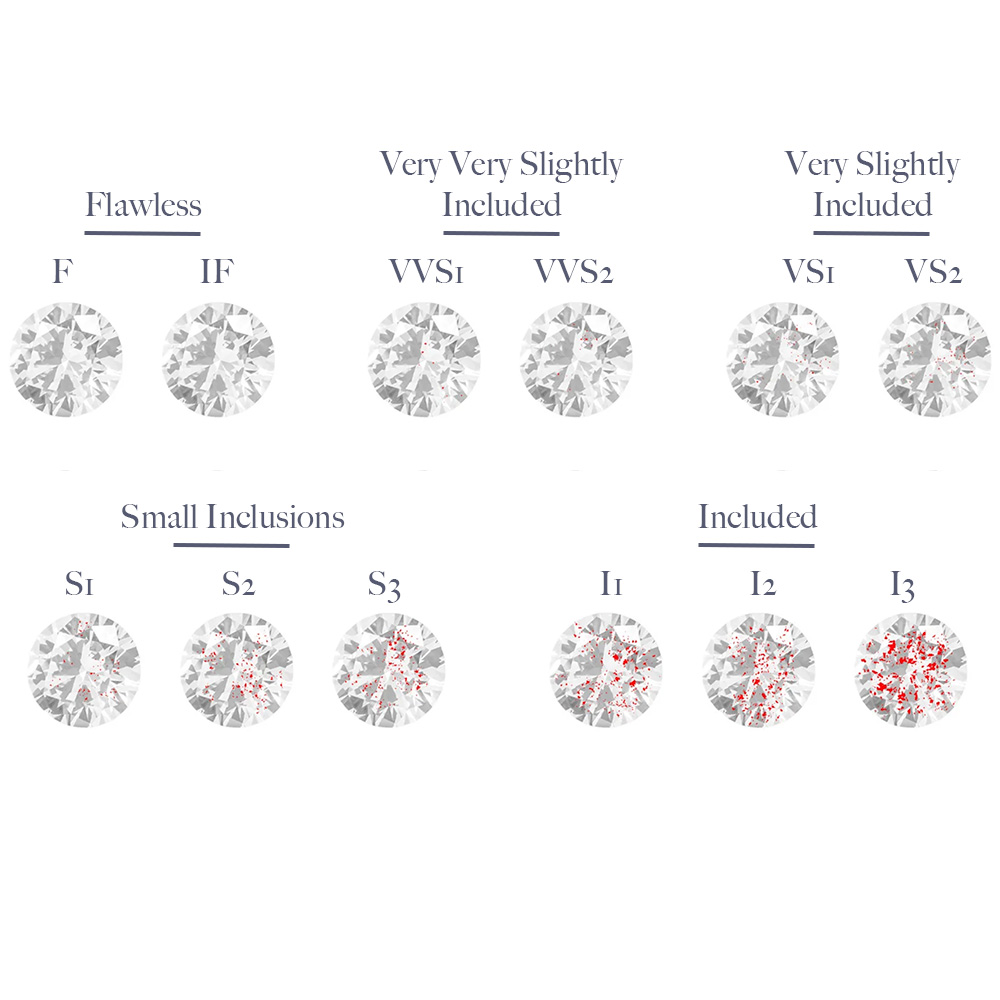
Formed by extreme heat and pressure deep within the earth, the majority of diamonds have imperfections called inclusions. The clarity of a diamond is based on the size, location, visibility and number of inclusions, and is graded from flawless to included. A diamond will reach a higher level of clarity depending on the flaws seen under x10 magnification. A perfectly pure diamond is extremely rare and priced accordingly.